Les Misérables: Has commercialization corrupted it?
Adapted from Victor Hugo’s classic novel, Les Misérables has become one of the most renowned musicals (or operas, if we’re being technical) of all time. I saw it professionally produced for the third time on London’s West End in 2024, and I was obviously impressed. This post does not come without its critiques, though, and it is really more a meditation on the industry than a review of one specific showing.
What sets Les Misérables apart from its competitor The Phantom of the Opera is the story. While Phantom is arguably the masked face of musical theatre and Broadway, Les Misérables’ story just can’t be beat. Its central message of hope, kindness, fighting for freedom, and looking for the goodness in others pulls at our heartstrings time and time and time again (mostly through death, but through moments of goodness, too).
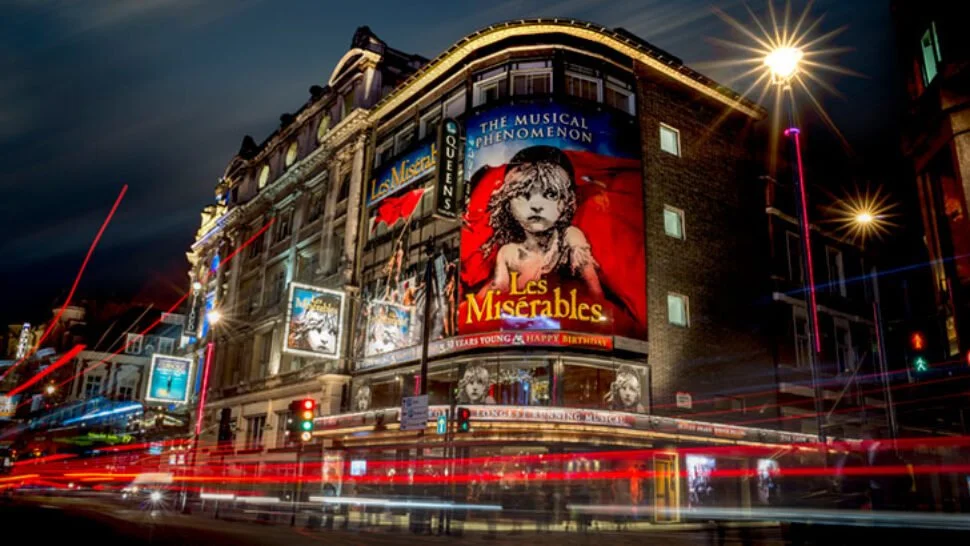
(Photo from Playbill)
The West End production was flawless. I felt every emotion as if it was my first time interacting with the story, as if it was my first time seeing it on stage. The acting was all perfect, the vocals were all perfect, and the production itself was, to be honest, perfect.
In achieving this perfection, though, has Les Misérables strayed from the vulnerability which is so central to its story? I understand the nature of long-running professional productions, and how there must be a set formula so actors can seamlessly transition in and out with new and expired contracts. The formulaic feeling, though, dampens what is most raw about Les Misérables. It is a story about suffering people, people in the depths of despair, yet it couldn’t help but feel just a little rehearsed. Perhaps this is due to Les Miz’s widespread popularity, or the fact that I’ve seen it three times, or the fact that I could likely recite every line from memory, but I felt like the true humanity of the story just didn’t ring as true for me this time. The production was a perfect story about imperfect people, something which I felt created a noticeable dissonance.
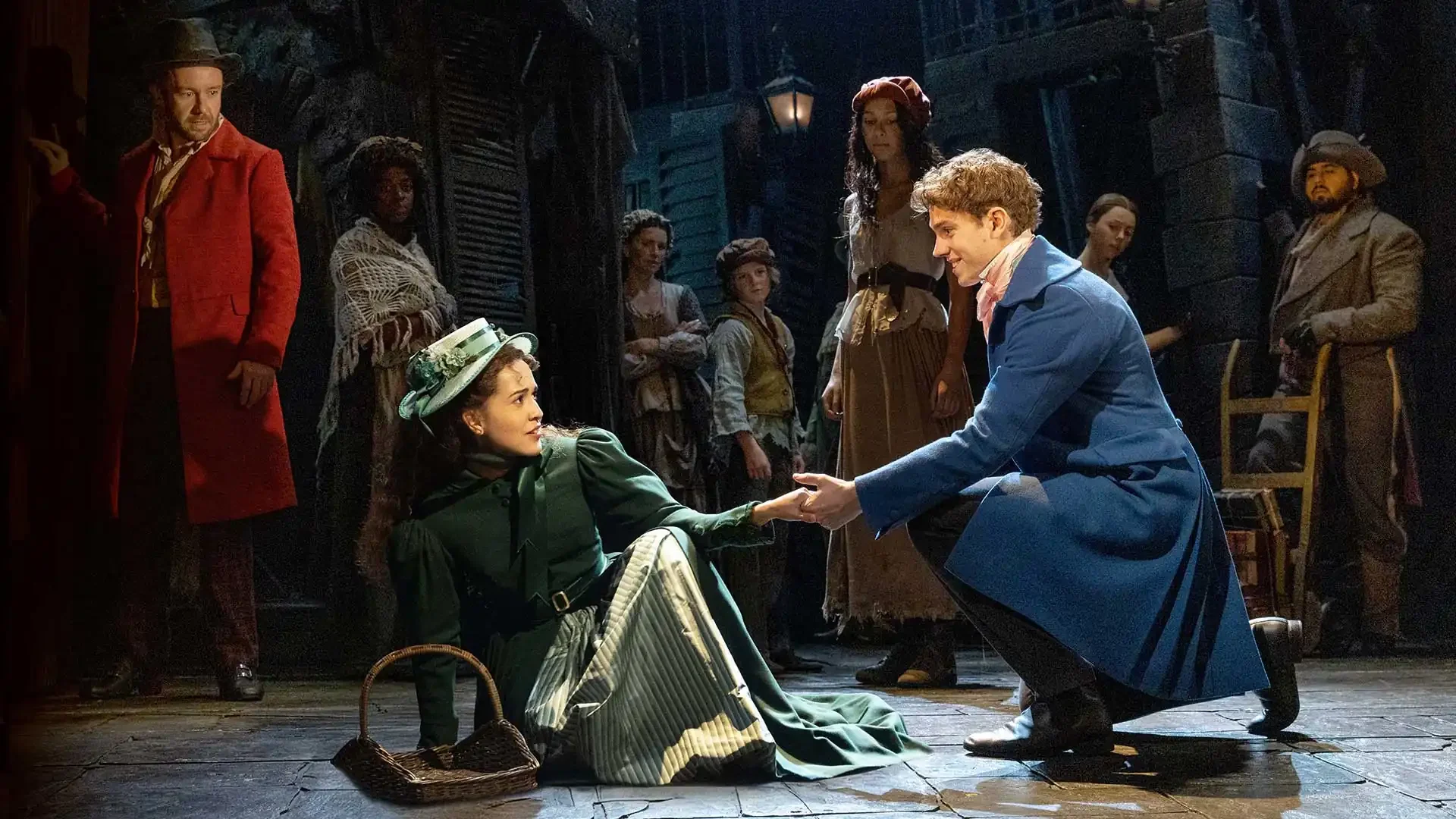
Perhaps the real issue is the necessary commercialization of musical theatre. In a world where the vast majority of Broadway and West End productions fail to generate revenue and where the general public has seemingly lost interest in the arts, it is only sensible that musical sensations like Les Misérables do everything to draw audiences in. They create the same perfect product night after night. Like buying from a well-known brand, many audiences only attend productions like Les Miz because its name is so recognizable. This renders smaller productions much less commercialized. Does this mean that smaller productions are “making art” better than the big ones? When taking creative liberties and focusing on product over profit, smaller productions take the cake. When finding people to spread whatever the production’s message is? Les Miz will always win.
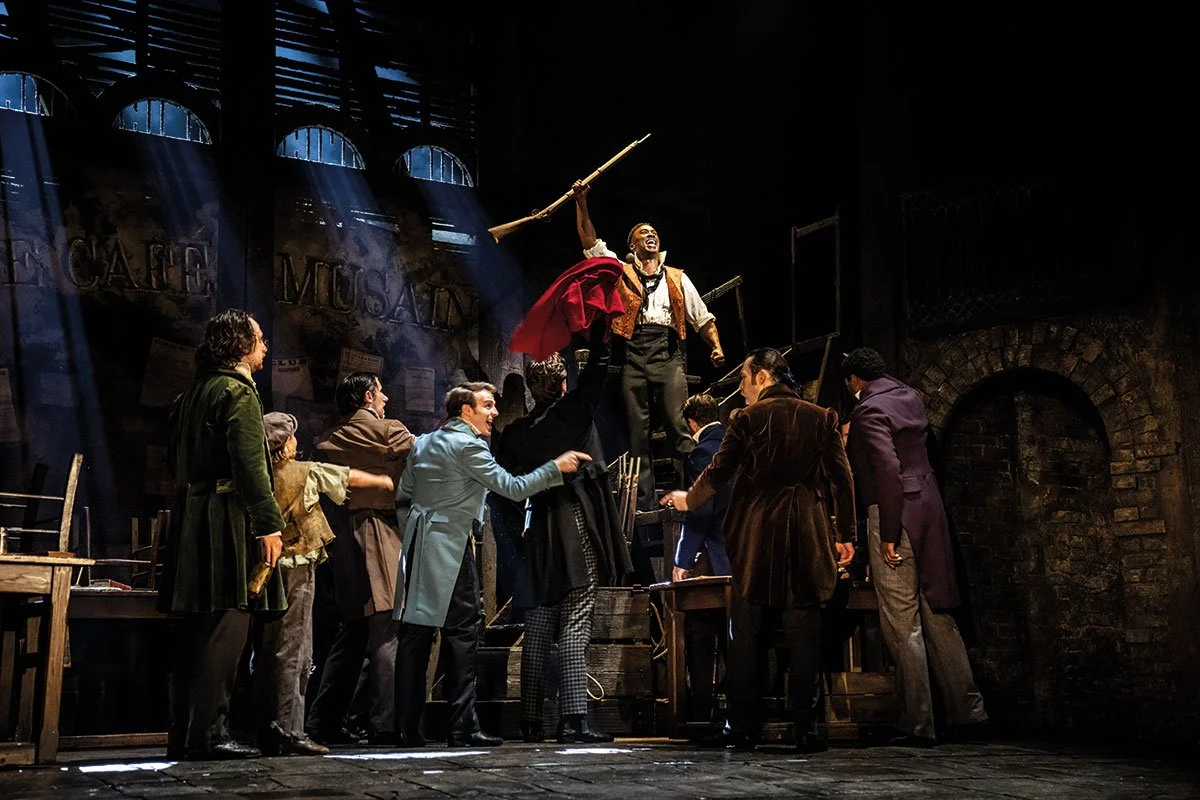
After all this dribble, the point is this: I still love Les Miz. The production is not only successful because it has managed to continue its West End run after all these years, but because it has managed to spread its ever important message to a house full of people night and night, matinee after matinee. Les Misérables may seem formulaic to me, now that I’ve seen it so many times, but the story never gets old nor cold. Les Miz is just as important today as it was when it first premiered in 1985, and it is amazing that so many experience it every day!