London Tide: Dickens’ Our Mutual Friend at the National Theatre
“It’s a story about London.”
London Tide was a masterpiece. Adapted by Ben Powers and directed by Ian Rickson, the play was carefully crafted to translate Charles Dickens’ massive novel to the stage. The play also featured original songs by PJ Harvey.
Set in Victorian London, Our Mutual Friend is characteristic of Dickens’ work because it features characters both wealthy and impoverished. London Tide displayed an era which modern readers and viewers may romanticize in a starkly realistic way. The smog, the disease, the cold, the desperation are all vividly depicted in the writing, design, and acting.
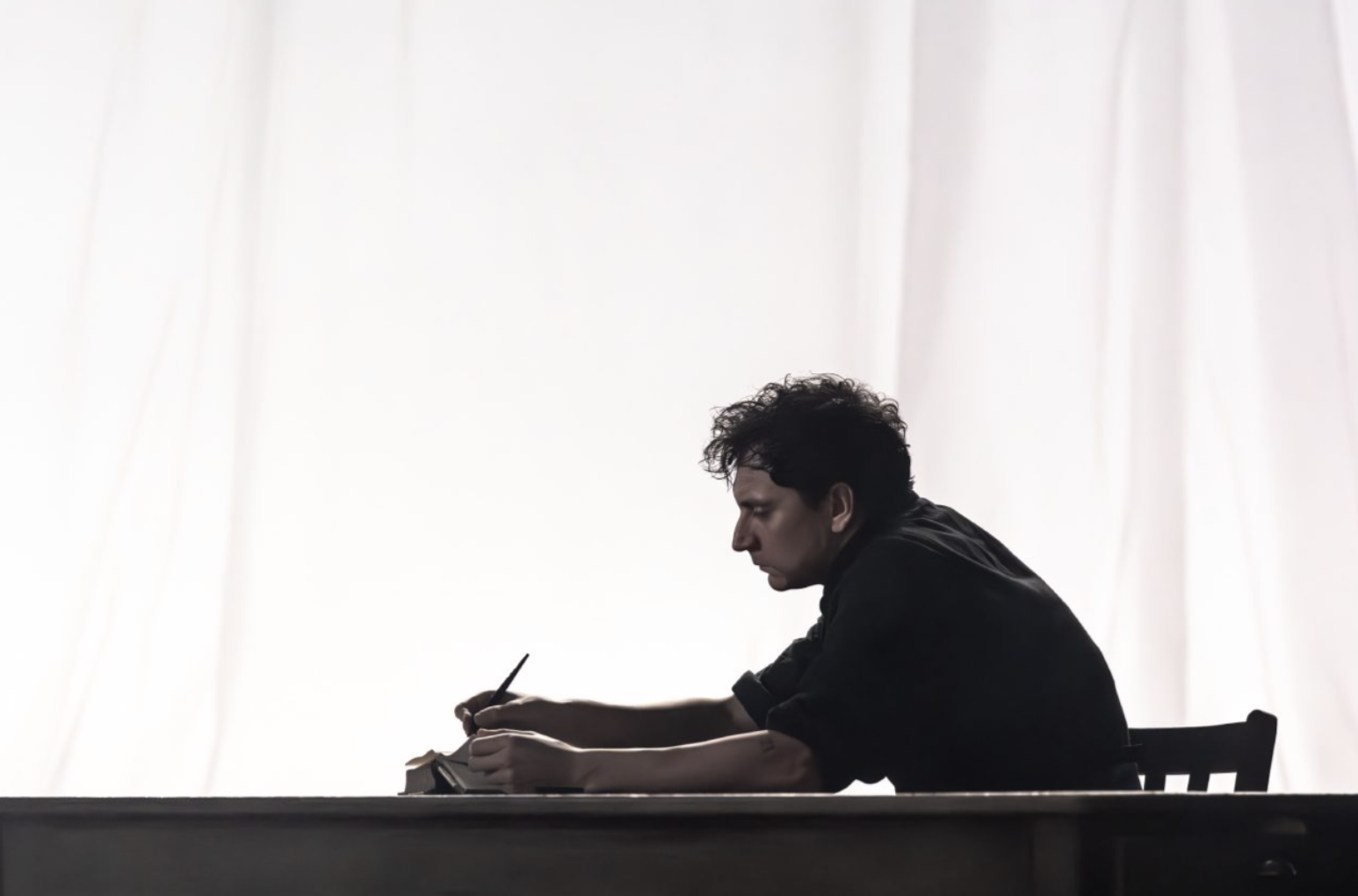
Photo by Marc Brenner
Dickens’ story has mystery, murder, deceit, and romance. Characters who seemingly have no connected are all, of course, intertwined, and their stories culminate with excitement, heartbreak, anxiety, and relief.
Two standout performances were delivered by Ami Tredrea as Lizzie Hexam and Tom Mothersdale as John Rokesmith. Tredrea takes on the principal role with the determination, grace, and wit which make audiences feel strongly for Lizzie. She plays the perfect heroine, one whom tackles real, difficult experiences with an admirable. Tredrea was so real, so striking, and so poignant in the delivery of every line.
Mothersdale delivers his performance with a deep sensitivity. I especially enjoyed his soliloquys, which felt as if he was opening up his very soul and laying it down for audiences to see.
The one major different Powers makes when adapting this play is at the end. When I read Our Mutual Friend, I was disappointed that Lizzie married Eugene Raybourn because, before she heroically saves his life after he is bashed over the head and thrown into the river, Eugene views Lizzie not as an equal but as a body. He is attracted to her, but only views her as an object because she is not of his class. Powers’ decision to remove their marriage from the narrative perfected Dickens’ already strong story; Powers’ Lizzie remains independent and has the autonomy to turn down Eugene’s proposal. After all she went through by rejecting Bradley Headstone and experiencing an attempted assault, it is gratifying to see her live and thrive without a man’s help.
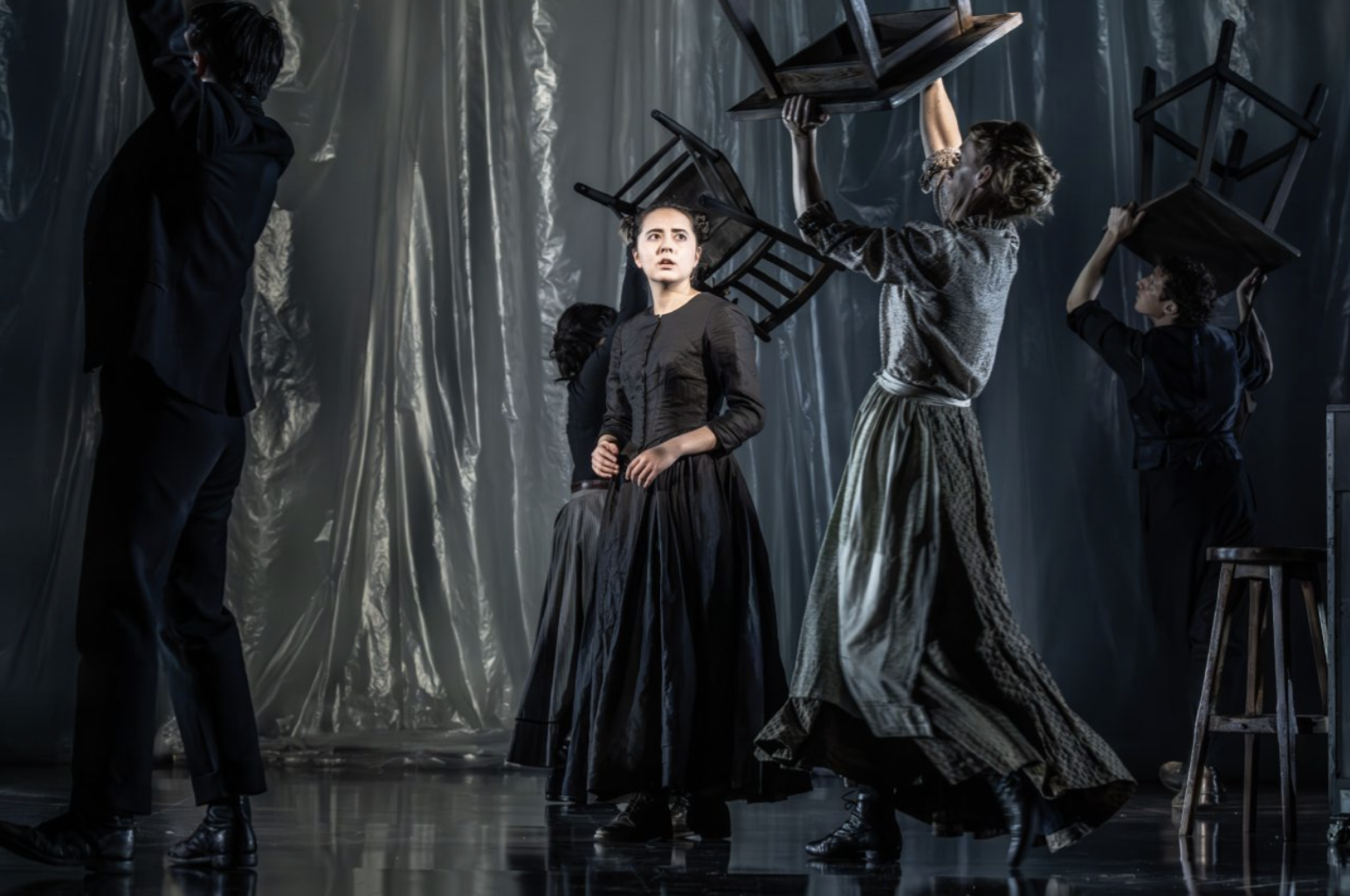
Photo by Marc Brenner
Above all, it is made clear that London Tide is a story about London. It is not about the characteristic monuments, the royalty, or the elite though. London is characterized by its working people. It is characterized by the people who struggle to survive and build better lives for their families. This above all is what makes Dickens’ work so important. It provided some real, accurate representation for most Londoners at a time when most other authors wrote about the elite.
The design work was impeccable. The Thames remains the most central element in the story, and it was artfully depicted through the staging and design. Undulating lights mimicked the turning river waves above as characters were cast underwater in what was the play’s most striking scenic element. Lighting Design by Jack Knowles.
Although the music added to some scenes, it detracted from others. The actors’ raw speak-singing was a useful device both for soliloquy and collective expression. I believe this device was slightly over-utilized, though. Had there no been so many music numbers, the select number would have had a greater impact on the production.
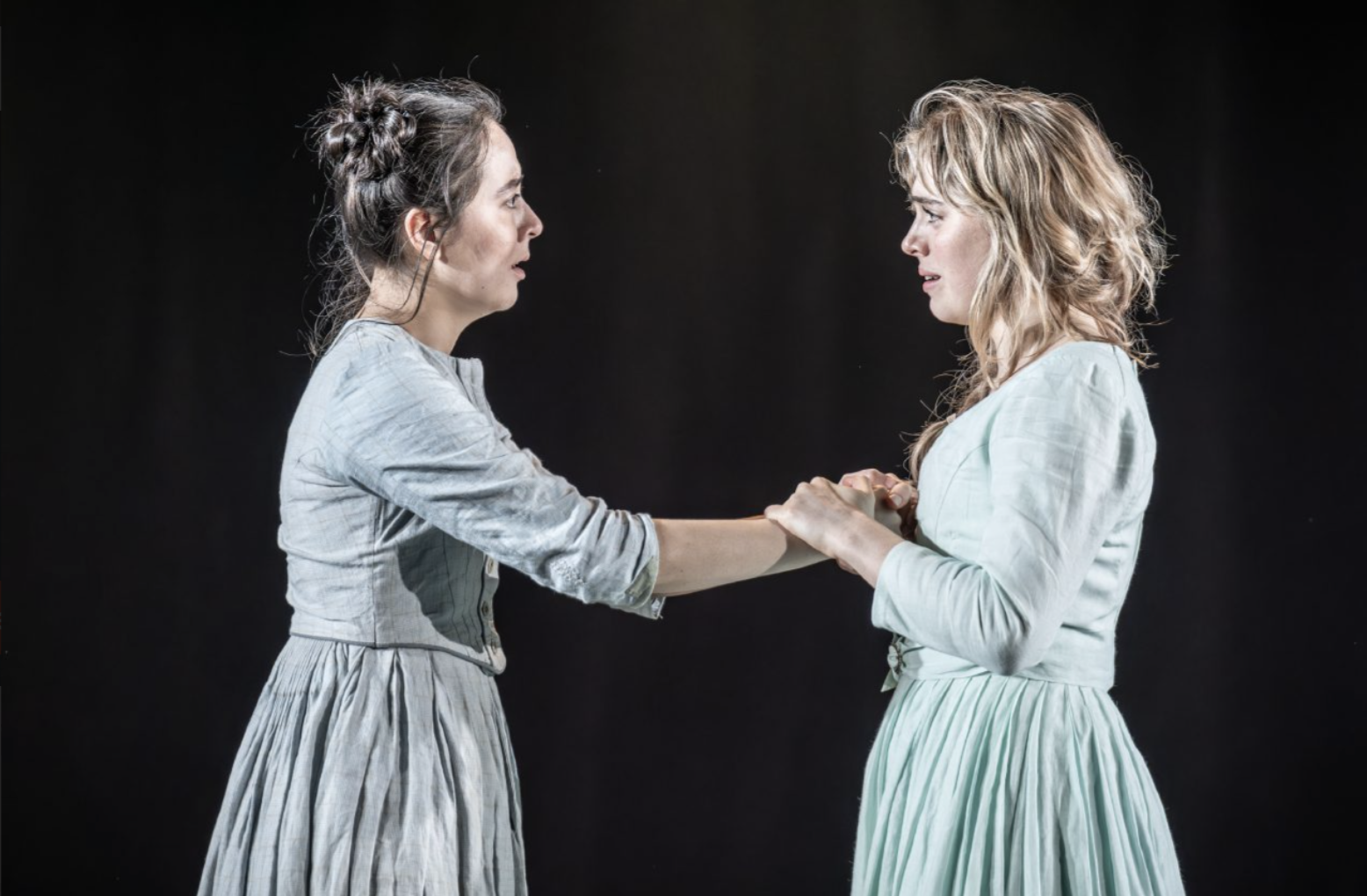
Photo by Marc Brenner
London Tide was raw. It was powerful. It was moving. Leaving the Lyttelton Theatre and immediately starting upon the river which sustained so many of the play’s characters was sentimental. I was moved last night at the Lyttelton Theatre, and I believe you will be, too!
Cover photo by Marc Brenner